Non-Governmental Organizations (NGOs) play an important role in improving communities and helping people in need. These organizations work independently from the government and focus on social, environmental, educational, and health-related issues.
Many NGOs help provide food, clean water, education, and medical support to poor and vulnerable people. Some NGOs also protect human rights, support women and children, and promote environmental conservation.
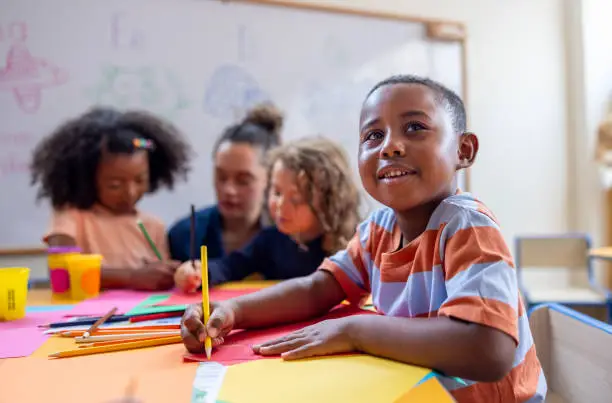
One of the biggest advantages of NGOs is that they work closely with local communities. They understand the problems people face and try to create practical solutions. For example, an NGO may build schools in rural areas, organize health camps, or train young people with job skills.
NGOs depend on donations, volunteers, and partnerships to continue their work. Volunteers are very important because they give their time and energy to help others. Through teamwork and compassion, NGOs can bring positive change to society.